What Is Lifecycle Direct Mail? A Guide to Always-On Postcard Flows
December 8, 2025
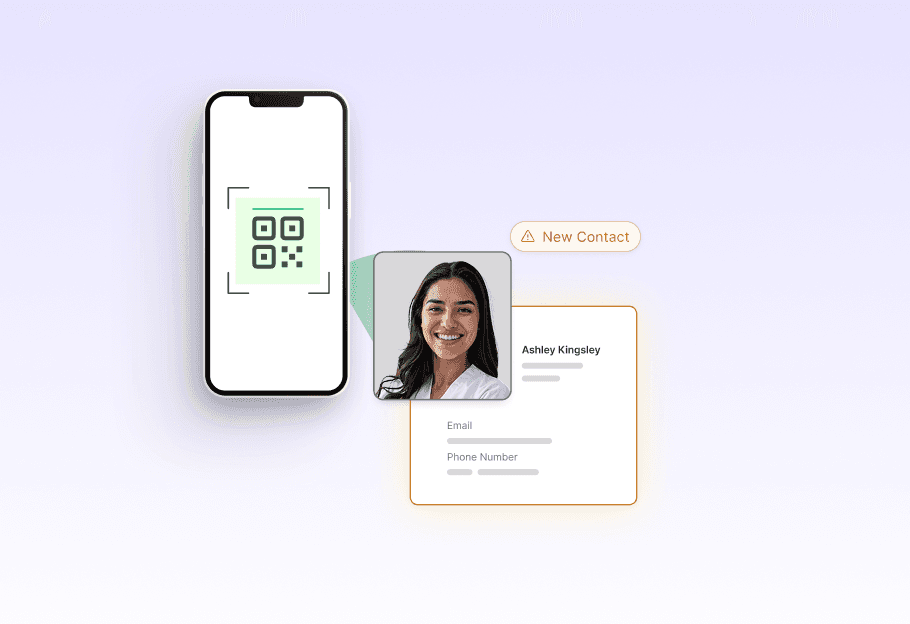
Traditional direct mail often means large, one-off “blasts” that are hard to personalize and even harder to measure. Modern brands are shifting away from that model and treating physical mail like a digital channel.
Lifecycle direct mail turns postcards into an always-on strategy, using automated, trigger-based flows to send highly personalized, measurable touchpoints. Instead of one campaign at a time, you run continuous postcard flows that plug into your lifecycle logic, sync with your existing stack, and drive ROI by engaging customers at key moments in their journey.
What Is Lifecycle Direct Mail and Why Does It Matter Now?
Lifecycle direct mail is an always-on approach that moves beyond infrequent campaigns to create continuous, automated engagement. Instead of sending one big batch of mailers, you send individual postcards to specific customers at precise moments based on their behavior.
In practice, it:
Treats the mailbox like another performance channel, not a one-off stunt.
Uses real-time triggers instead of arbitrary send dates.
Pairs physical impact with digital-level targeting and attribution.
As digital channels become more saturated, this model matters more. Email open rates have trended downward, paid social CAC has climbed, and privacy updates have made tracking harder. A tangible postcard that shows up at home cuts through this noise and creates a memorable brand moment.
Lifecycle direct mail is also inherently privacy-resilient. It relies on first-party data and postal delivery—not third-party cookies, device IDs, or opaque ad networks—so you can keep reaching customers even as digital tracking gets more restrictive.
How Do Always-On Postcard Flows Integrate Into Your Customer Journey?
With the right platform, direct mail becomes part of your lifecycle engine, not a separate, manual project. You reuse the same logic and data that power your email and SMS programs, but route some of those key events into physical mail.
At the center of this approach are triggers—real-time customer behaviors that automatically initiate a postcard send. Examples include:
First purchase
High-value order
Hitting a specific spend or loyalty threshold
When a trigger fires, your direct mail platform receives the signal and queues a pre-designed postcard for that individual. The result: a digital event (like an abandoned cart) turns into a physical reminder that arrives at home within days, reinforcing your brand when intent is still warm.
How Can Direct Mail Work With Your Existing Shopify or Klaviyo Flows?
Modern direct mail platforms offer plug-and-play integrations with tools like Shopify and Klaviyo, so you don’t have to rebuild everything from scratch.
You can:
Connect accounts in minutes with no-code integrations.
Reuse existing segments (e.g., “lapsed high spenders”) to trigger postcards.
Mirror email flows with physical touchpoints (welcome, win-back, VIP, replenishment).
For custom-built stacks, APIs and webhooks let you connect to virtually any CRM or data source. The goal is simple: direct mail should behave like another channel inside your lifecycle system, not a one-off spreadsheet and CSV export you dread every quarter.
How Do You Personalize Direct Mail at Scale Without Manual Effort?
Variable data printing (VDP) is what makes lifecycle direct mail feel 1:1—even at volume. VDP lets you dynamically swap in unique content on each postcard without slowing down production.
You can personalize:
Core details: Name, location, and loyalty tier.
Offers: Unique discount codes, free shipping, or tiered incentives by segment.
Content: Product recommendations based on browsing or purchase history.
Visuals: Images of the last viewed category, seasonal products, or nearest store.
Instead of designing endless one-off creatives, you start with a template and map your data fields into specific zones. Many platforms also offer design support and template libraries, so marketing teams can get to launch quickly and iterate without waiting on new art every time.
How Do You Get Real-Time ROI From Your Direct Mail Campaigns?
Lifecycle direct mail is only valuable if you can measure it like any other performance channel.
Each mailer should include embedded tracking mechanisms such as:
Unique QR codes
Custom URLs (PURLs)
Individual promo codes
When someone scans or visits their unique link, that action is recorded and tied back to the specific postcard they received. This unlocks:
Individual-level attribution: See exactly who responded.
Revenue connection: Tie offline touches to online orders in your analytics or CRM.
Flow-level optimization: Compare performance across triggers, offers, and segments.
Instead of “we sent 10,000 mailers and site traffic went up,” you get clear answers to “who scanned, what they did, and how much revenue that specific flow generated.”
What Specific Customer Journeys Can Lifecycle Direct Mail Enhance?
Lifecycle direct mail can plug into almost every key moment in your customer journey. A few high-impact use cases:
Acquisition & Welcome Sequences: Automatically send a personalized welcome postcard after a first purchase or signup. Include a clear offer and a trackable QR code that brings them back to explore more—especially effective when email alone isn’t enough to build the relationship.
Abandoned Cart Recovery & Win-Backs: When someone abandons a high-value cart or goes dormant, a physical reminder stands out. A targeted postcard with a specific offer, sent a few days after digital reminders, can recover revenue that would otherwise be lost.
VIP Nurturing & Loyalty Programs: Send exclusive offers, early access, or simple “thank you” postcards to your best customers. Recognizing top segments with tangible rewards increases purchase frequency and lifetime value.
Store Traffic & Local Engagement: For brands with a physical footprint, automated postcards can drive in-store visits. Use triggers like “nearby store opening,” “seasonal event,” or “upcoming appointment” to send local offers and reminders.
Choosing the Best Automated Direct Mail Platform
Not all direct mail platforms are built for lifecycle flows. When evaluating options, focus on integrations, attribution, service model, and compliance—because the right platform should adapt to how your team operates today and as you scale.
BirdseyePost is built to support all of the following operating models:
Developer-friendly when needed: BirdseyePost integrates cleanly with modern data stacks and lifecycle logic, allowing teams with technical resources to trigger and control direct mail programmatically—without sacrificing marketer visibility or measurement.
Lifecycle-ready for marketing teams: Direct mail flows in BirdseyePost are designed to run like email or SMS—triggered by customer behavior, segmented by intent, and optimized over time—making always-on programs practical and measurable.
Flexible execution models: Whether your team prefers hands-on control or needs additional support, BirdseyePost adapts. Marketers can self-manage campaigns, while lean teams can rely on built-in creative and operational support to move faster.
Built for scale without operational drag: BirdseyePost handles list hygiene, production, fulfillment, and tracking in one system, allowing teams to scale from targeted sends to high-volume lifecycle programs without building a direct mail ops function.
Security and compliance aligned: For organizations handling sensitive data, BirdseyePost supports strong data handling and compliance standards, making lifecycle direct mail viable even in regulated environments.
This approach ensures direct mail works as a true performance channel—integrated, automated, and accountable—regardless of team size or maturity.
Turning Direct Mail Into an Always-On Performance Channel
Lifecycle direct mail is no longer a “nice-to-have experiment”—it’s a practical, always-on strategy for brands that want physical mail to behave like a true performance channel. By shifting from one-off blasts to automated postcard flows, you create timely, relevant touchpoints that cut through digital noise, re-engage high-intent customers, and drive measurable revenue.
The next step is simple: identify your highest-value lifecycle moments—welcome, win-back, VIP, replenishment—and layer in targeted, trackable postcards alongside your existing email and SMS flows. When you do, direct mail stops being a slow, opaque channel and becomes one of the most reliable levers in your retention and growth stack.
Ready to put lifecycle direct mail to work? See how BirdseyePost turns always-on postcard flows into measurable revenue—get started today.
Frequently Asked Questions
What is the core difference between lifecycle direct mail and traditional direct-mail blasts?
Lifecycle direct mail operates like digital flows, automatically sending personalized postcards based on real-time customer behavior and triggers. Traditional blasts are usually one-off, broad campaigns that lack continuous, data-driven targeting and optimization.
How do automated platforms integrate with tools like Shopify or Klaviyo?
Many lifecycle-ready direct mail platforms offer plug-and-play integrations that sync customer data and segments, then trigger postcards using the same logic you use for email or SMS flows. This dramatically reduces setup complexity and time-to-launch.
Can I track the ROI of my automated direct mail campaigns?
Yes. Modern platforms embed unique QR codes, custom URLs, and individual promo codes into each mailer. This provides real-time visibility into scans, visits, conversions, and attributed revenue, so you can measure the direct impact of your campaigns just like a digital channel.